Announcement

Collapse
No announcement yet.

Hey, have you been working out?

Collapse
X
 
  • Filter
  • Time
  • Show
Clear All
new posts

  • Az
    replied
    [QUOTE=Kidicious;5848931]Starvation, by definition, is the lack of necessary nutrients in the body. I don't think energy can be considered a necessary nutrient in this context. The point, however, is to have as much energy as possible when doing work. That way you maximise performance. If you maximise performance you can potentially build more muscle. I say potentially because if you are losing weight you will canablize muscle as well as fat. There's no getting around that. It doesn't matter how much protein you take in. btw, using protein as energy for work is bad for your kidneys in the long run. Whoever is telling you to use protein for energy is doing you harm. Protein should only be about 10% or your calories.
    [QUOTE]
    noone is saying "use protein for energy". What is being said is that with proper protein intake, and strength workout, your muscles will not suffer.

    This isn't right. Nominal intake is effective intake. If you take in more calories than you burn you will gain weight and if you take in less you will lose weight. And I already mentioned something about the protein issue.
    this isn't completely correct. when carbs and fats are eaten together, there is an almost complete prefence to carbs consumption. Which means that fat is getting stored. This is similar to alcohol consumption. Once you have alcohol in your bloodstream, the body switches to alcohol for energy in metabolism. This is why beer is bad.

    You don't care what sports nutritionists say?! I challenge you to find a lard ass that follows the advice of a sports nutritionist to the T. They don't. It's a simple matter of calculating your caloric intake and your caloric usage and managing your weight. The reason for the carbs is that carbs give you an efficient way to get energy to do work. The more efficiently you work the more work you will do (perform better). Is that a difficult concept for you?
    Not at all, and I fully expect to return to eating carbs when I lose some more weight. HOWEVER, when your number one issue is fat tissue loss, you need to efficiently restrict your calories by which I mean engage the fat burning mechanism in your body, and not consume carbs and fats together.


    I'd ask you for a source, but you don't feel the need for one do you.
    check out the berkeley school of nutrition online.

    No duh! So carbs are good for doing work. The question is why only eat them irregularly. During the week you are draining yourself of energy that can be efficiently used for your work out.
    This is because my first and foremost current intent is to lose bodyfat%

    Leave a comment:


  • Al B. Sure!
    replied
    Umm... did paleolithic humans eat grains? did humans evolve to eat a primarily grain diet? 6-12 servings of bread a day?

    Leave a comment:


  • Kidlicious
    replied
    Originally posted by Al B. Sure! View Post
    Kidicious, part of the idea is that primitive peoples lived on low carb, high protein and fat diets (obviously since agriculture is a relatively recent development) and that we as humans have evolved to operate best on this sort of diet. It's basically the 'natural' way for humans to eat.
    You stupid cow. There's nothing unnatural about eating carbohydrates.

    Leave a comment:


  • Kidlicious
    replied
    Originally posted by Az View Post
    oh no, the body inefficiently converts the fat into energy! I think I am going to starve.
    Starvation, by definition, is the lack of necessary nutrients in the body. I don't think energy can be considered a necessary nutrient in this context. The point, however, is to have as much energy as possible when doing work. That way you maximise performance. If you maximise performance you can potentially build more muscle. I say potentially because if you are losing weight you will canablize muscle as well as fat. There's no getting around that. It doesn't matter how much protein you take in. btw, using protein as energy for work is bad for your kidneys in the long run. Whoever is telling you to use protein for energy is doing you harm. Protein should only be about 10% or your calories.
    This is the entire point, the effective caloric intake is reduced, even though the nominal remains the same. And trust me, there will be no muscle tissue breakdown as long as you work out and consume protein.
    This isn't right. Nominal intake is effective intake. If you take in more calories than you burn you will gain weight and if you take in less you will lose weight. And I already mentioned something about the protein issue.
    I honestly care less and less about "mainstream" wisdom on the issue. It has failed our entire generation, as can be clearly demonstrated by the lardasses you see around in your own neighborhood.
    You don't care what sports nutritionists say?! I challenge you to find a lard ass that follows the advice of a sports nutritionist to the T. They don't. It's a simple matter of calculating your caloric intake and your caloric usage and managing your weight. The reason for the carbs is that carbs give you an efficient way to get energy to do work. The more efficiently you work the more work you will do (perform better). Is that a difficult concept for you?


    "cholesterol problems" are first and foremost a triglyceride issue, and even LDL cholesterol has lower correlation with heart desease than triglycerides. Guess what causes a high triglyceride count? carbs.
    I'd ask you for a source, but you don't feel the need for one do you.
    during a workout you need a high influx of energy, rapidly. fat reserves are released into the body slowly. a carb storage allows for rapid energy to get to the muscles, which allows you to strain yourself more which place the plank higher for muscles in the healing process.
    No duh! So carbs are good for doing work. The question is why only eat them irregularly. During the week you are draining yourself of energy that can be efficiently used for your work out.

    Leave a comment:


  • Az
    replied
    Originally posted by Kidicious View Post
    Okay, I kind of get what you're getting at I think. You want to increase the amount of energy your body gets from breaking down fat, right?


    http://www.healthcastle.com/sports_n...hydrates.shtml
    oh no, the body inefficiently converts the fat into energy! I think I am going to starve. This is the entire point, the effective caloric intake is reduced, even though the nominal remains the same. And trust me, there will be no muscle tissue breakdown as long as you work out and consume protein. I honestly care less and less about "mainstream" wisdom on the issue. It has failed our entire generation, as can be clearly demonstrated by the lardasses you see around in your own neighborhood.

    Also, if I were to consider your diet I would consider the high bad fat and bad colesteral intake a con. You could go with good fats, but that's kind of hard for breakfast. Other cons would be lack of antioxidants and fiber.
    "cholesterol problems" are first and foremost a triglyceride issue, and even LDL cholesterol has lower correlation with heart desease than triglycerides. Guess what causes a high triglyceride count? carbs.

    If your body is getting it's energy from fat reserves why would glycogen need to be replenished, and doesn't low blood sugar make you tired?
    during a workout you need a high influx of energy, rapidly. fat reserves are released into the body slowly. a carb storage allows for rapid energy to get to the muscles, which allows you to strain yourself more which place the plank higher for muscles in the healing process.

    Leave a comment:


  • Jon Miller
    replied
    Today was:
    3/2/2 dips (pretty terrible attempts)
    8/4/4 chest cable fly (40/50/50)
    stomach
    4/4/8 vertical press (16/16/11)
    6/6/6 tricep pulldowns (20/20/20)
    6/6/4 machine incline? press (70/70/70) (98/98/98 negative)

    20 minutes cardio

    JM

    Leave a comment:


  • Al B. Sure!
    replied
    Kidicious, part of the idea is that primitive peoples lived on low carb, high protein and fat diets (obviously since agriculture is a relatively recent development) and that we as humans have evolved to operate best on this sort of diet. It's basically the 'natural' way for humans to eat.

    I have already said that AZ's lack of fruits is questionable, however. He needs the fiber fruits provide for one and he's the first Paleo-eater I've seen who rejects fruits. I get why he doesn't eat them but you'll never see another Paleo person rejecting fruit.

    Leave a comment:


  • Kidlicious
    replied
    Originally posted by Az View Post
    a) when you are consuming carbs in a high rate, like a meal full of carbs, you are stopping the ketogenesis process (ejection of fat from tissues and turning into ketones). If you stop this process, then the body experiences a temporary slowdown. I would rather have it once a week only.
    Okay, I kind of get what you're getting at I think. You want to increase the amount of energy your body gets from breaking down fat, right?

    The Nutrition Recommendations for Canadians state that the diet should provide 55% of energy as carbohydrate from a variety of sources. For athletes, it is recommended that 60% of total energy come from carbohydrates. Endurance athletes like marathon runners and triathletes can require up to 70 per cent of their total calories from carbohydrates.

    Without adequate dietary carbohydrates, the body inefficiently converts fat stores and proteins from muscles into energy. This can increase muscle breakdown during exercise and impact overall fitness.
    http://www.healthcastle.com/sports_n...hydrates.shtml

    Also, if I were to consider your diet I would consider the high bad fat and bad colesteral intake a con. You could go with good fats, but that's kind of hard for breakfast. Other cons would be lack of antioxidants and fiber.
    If you exercise regularly and with high intensity, the first thing that would be done woulde be the replenishment of your glycogen reservoires in the muscles.
    If your body is getting it's energy from fat reserves why would glycogen need to be replenished, and doesn't low blood sugar make you tired?
    Last edited by Kidlicious; August 20, 2010, 14:23.

    Leave a comment:


  • Az
    replied
    Originally posted by Kidicious View Post
    Az,

    I'm curious about your diet. Why do you eat carbs only on the weekends, and then only eat carbs on the weekends? What I've been told is that carbs should be eaten before burning calories. That way you have plenty of energy in your muscles and blood. I never eat high carb food if I don't expect to be burning a lot of calories.
    a) when you are consuming carbs in a high rate, like a meal full of carbs, you are stopping the ketogenesis process (ejection of fat from tissues and turning into ketones). If you stop this process, then the body experiences a temporary slowdown. I would rather have it once a week only.

    b)When generally working on overall fitness ( weight LOSS is not a priority), this is the correct approach.

    If you spend the weekends just eating sweets. Those carbs are going to turn into fat, not just restore your energy levels.
    If you exercise regularly and with high intensity, the first thing that would be done woulde be the replenishment of your glycogen reservoires in the muscles.

    Leave a comment:


  • Jon Miller
    replied
    I have kept working out on a 2/2 split with 2 moderate cardio sessions (and some shorter ones) besides the biking.

    Yesterday was (attempts)
    5/3/2 pullups
    4/4/6 lunges (22/22/19)
    5/3/2 chinups
    stomach
    10 minutes exercise (got up to over 170 heart rate)

    Jon

    Leave a comment:


  • Kidlicious
    replied
    Az,

    I'm curious about your diet. Why do you eat carbs only on the weekends, and then only eat carbs on the weekends? What I've been told is that carbs should be eaten before burning calories. That way you have plenty of energy in your muscles and blood. I never eat high carb food if I don't expect to be burning a lot of calories.

    If you spend the weekends just eating sweets. Those carbs are going to turn into fat, not just restore your energy levels.

    Leave a comment:


  • Asher
    replied
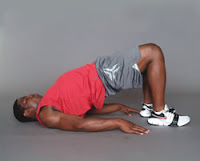
    Hey, I've done that position before.

    Leave a comment:


  • Al B. Sure!
    replied
    If anyone's curious as to what I'm doing, I'm doing a version of Starting Strength. I do 3x5 (3 sets of 5 reps) of Back Squats MWF along with 3x5 of press/bench press on alternating days and 3x5 of power cleans/1x5 of deadlift on alternating days. So for example, it's squats/press/cleans on M&F, squats/bench press/deadlift on W, but next week, it'll be squats/bench press/deadlift on M&F, squats/press/clean on W.

    I'm also doing "grease the groove" chinups where I do low rep sets several times a day just whenever, averaging about 8-10 sets a day (right now, at 8 chinups per set). This protocol, from Pavel Tsatsouline, is to do only about 1/2 of your maximum, never wear out your muscles on any set, but to build up a lot of volume over the course of the day so your body gets very good at doing the movement. Of course, you need to have a pullup bar in your house, like I do.

    I'm also running here and there but never doing much and keeping very mindful of my legs. I'm just trying to strengthen them gradually and when I'm done with my strength cycle, I'll kick up the intensity.

    Oh yeah and I'm also doing some hip flexor exercises like laying side leg raises and hip thrusts. Hip thrusts are a fun one to do in a crowded gym. They look like this:

    Leave a comment:


  • Al B. Sure!
    replied
    Originally posted by Az View Post
    Ok, I am not sure on this one, but I have been doing this for a while. interval cardio, and only then weightlifting. what are the results? I heard that this increases muscle stamina/endurance, but this might be an old wife's tale, and I really want to get all of the science right.
    Okay. I'm not an expert but I've read a lot and I've tried a lot.

    Generally, speaking, the idea is that you should do any type of cardio work AFTER strength training because it allows you to go all out on the strength training and lift heavier weights which of course is a good thing and is the fastest way to increase strength.

    Obviously, if you wear yourself out doing sprints (what is this interval cardio you speak of, by the way? How are the intervals organized?), you won't be able to lit maximal weight so you're strength training will suffer. Basically, you're pre-fatiguing your muscles and your nervous system.

    However, that may be what you want to do. If you want to improve your stamina, hell, what better way than to make your legs be able to handle a lot of work than by wearing them out with sprints than hitting the squat rack? But be aware that you're not going to be maximizing your strength gains because you're just not going to be able to lift you max if you're worn out from sprints.

    Also, the nature of your cardio (what you're doing, how intense it is, etc.) is important. You're doing very different things to your body if you do squats and then sprints or if you do squats and then jog or vice-versa (sprints then squats, or jogging then squats). Hard sprints are much more taxing, particularly on your muscles, than a little jog, even if the jog is a long jog.

    Leave a comment:


  • Jon Miller
    replied
    When I do cardio after weight lifting (especially when I do legs) I do something low key (light jogging or exercise machines). It still pumps my heart rate up above 170.

    When I do cardio before weight lifting or by itself, I do intevals, recently this has been pretty short duration usually. Generally my heart rate doing this breaks 180.

    If I spent more time on cardio like I did a couple of years ago, I would be breaking 180 for long duration intervals instead of just short duration where the peak breaks 180.

    JM

    Leave a comment:

Working...
X