los on January 27, 2017. Second, the FBI reportedly interviewed Mifsud in early-to-mid February, 2017 in Washington DC, when Mifsud spoke at the Global Ties conference. Third, the FBI interviewed Papadopoulos again on February 16, 2017. The April 2017 application should have included details from these interviews, especially details from its interview of Mifsud, who, after all, supposedly provided the information that launched Crossfire Hurricane.
But the page-plus summary of Papadopoulos’ role in the Trump campaign and his supposed nexus to “coordinated efforts to influence the 2016 U.S. Presidential Election” remained unchanged. (Compare pages 93-94 with pages 191-192 of the released FISA applications available here.) The only apparent change in that section came in the concluding paragraph, detailing Page’s “established relationships with Russian Government officials,” with a slight addition to the footnote. (See page 192 of the FISA Application file.)
Of particular note, the footnote included a new Freedom of Information Act (FOIA) request exemption notation, b7D-1, which allows the government to withhold information that “could reasonably be expected to disclose the identity of a confidential source.”
These facts indicate that the DOJ did not inform the FISA court of the FBI interviews with Papadopoulos and Mifsud. But it should have, especially if Mifsud denied Papadopoulos’ claim that the Maltese professor had bragged that the Russians had dirt on Hillary. Or was Mifsud an FBI informant or an asset of a foreign government, and was that instead what the DOJ told the FISA court?
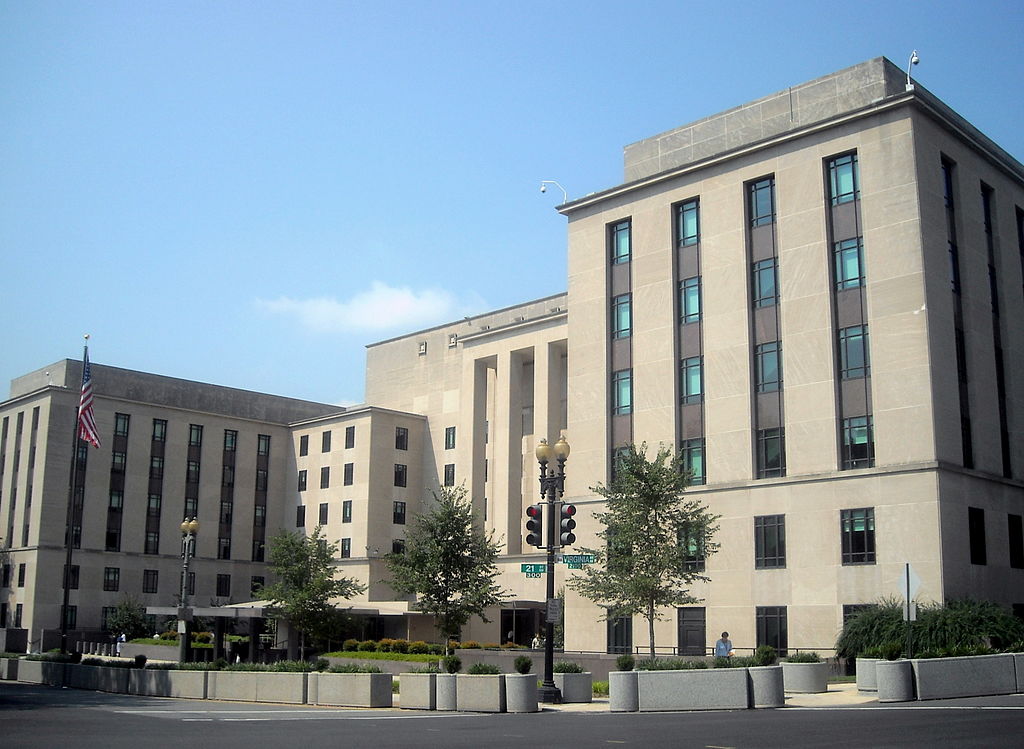
It’s time for the FBI to come clean: Who was Mifsud, and what was his role in the launch of Crossfire Hurricane? And did the State Department assist the FBI in handling Mifsud? Congress and the president supposedly hold power over these agencies. They, and we, need the answers.


Leave a comment: