 Tweet
Tweet
This is the Story and Diplomacy Thread for the Diplo Game "Destiny of Empires" (DoE)
The purpose of this thread is to post in-character story posts and diplomacy for this game. Please discuss all organizational aspects of this game the Organization Thread.
Use your Anonymous Apolyton Game Account to put posts in this thread.
The Dance of Civilizations is a diplomacy game.
The players try to rule their empires like they are real. Role playing and story telling is an important way to achieve this.
Fore more information visit the Diplogame FAQ by OzzyKP
For more information visit the Organization Thread.
The purpose of this thread is to post in-character story posts and diplomacy for this game. Please discuss all organizational aspects of this game the Organization Thread.
Use your Anonymous Apolyton Game Account to put posts in this thread.
The Dance of Civilizations is a diplomacy game.
The players try to rule their empires like they are real. Role playing and story telling is an important way to achieve this.
Fore more information visit the Diplogame FAQ by OzzyKP
For more information visit the Organization Thread.

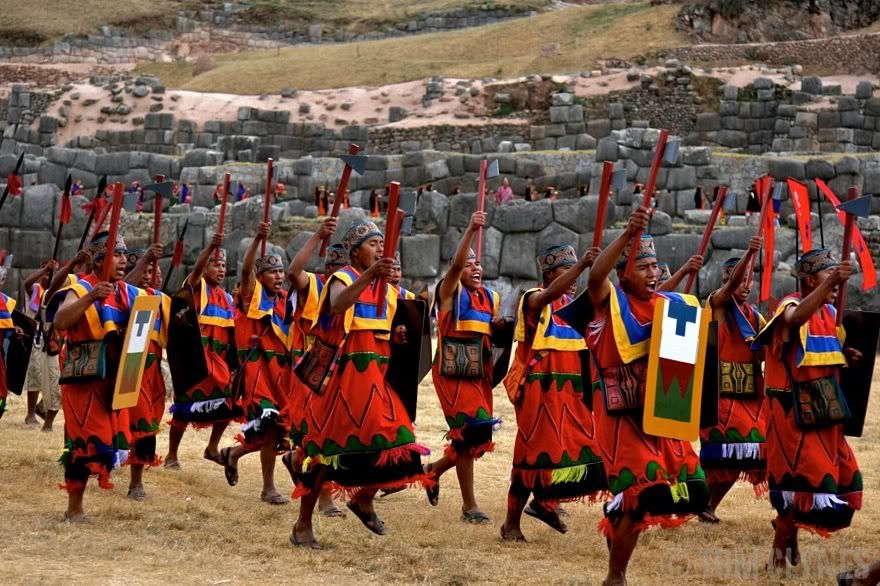
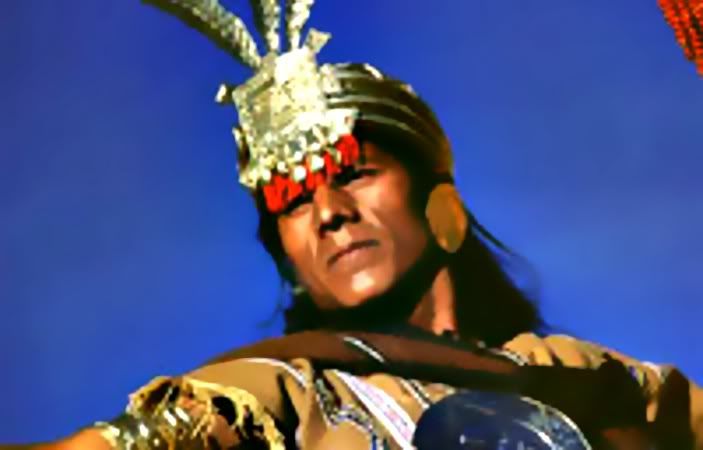
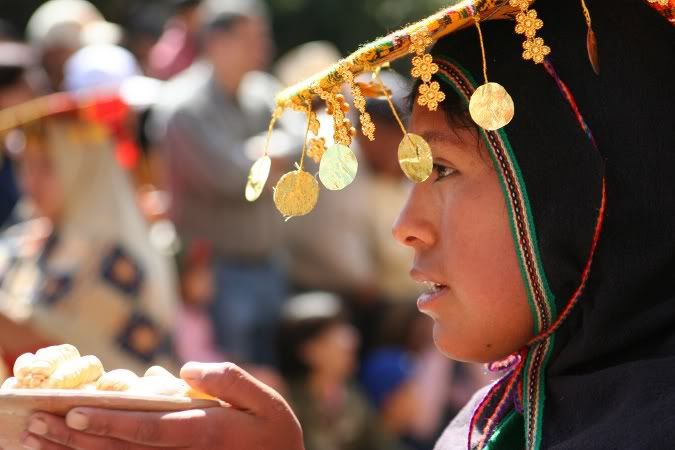 In the aftermath of the brutal cultural shock of meeting Europeans, the Inca had begun to (relative to their past) radically adjust their own sense of self, communal self, and expectations. Although for many in the older parts of the empire, this simply meant a more "refined" and "European" flair to traditional life, the newer communities in direct contact with the English (the Guacana and Tupaca) saw their societies grow yet further apart from the west coast. For the Guacana, centuries of economic development and business innovations fed the intellectual and professional lives of a growing population of entrepreneurs and artisans.
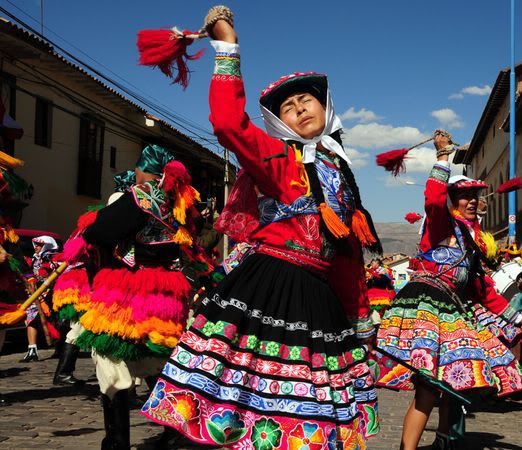 For the Tupaca and their fellow men, European intellectual and social attitudes were eagerly devoured by a very rapidly growing community of specialists and self-proclaimed "rationalists". The "Newcoasters", as they were called by the "Oldcoasters" (the Mancha, Talcha, and Capaca), were showing the beginning of a truly new approach to all affairs of human life. They embraced the far more liberal and rational ideologies than those of their Capaca and Mancha roots, for which a central argument was "because we say so" (the "we" typically being the landowners and high merchants).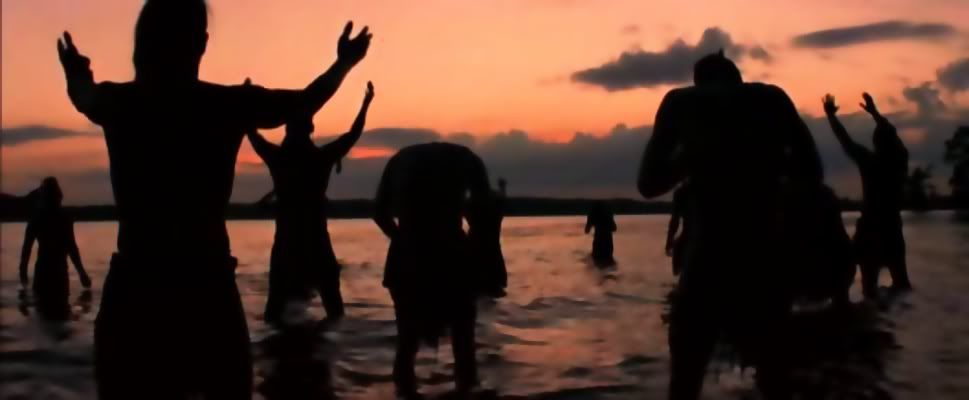
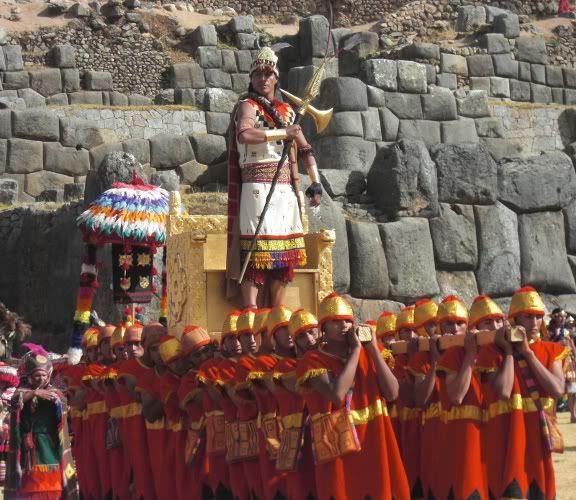 Fortunately, this did not cause permanent harm to the empire, and indeed it emerged on the other side much stronger. The central government returned with far increased centralization and efficiency in Capaco, and, unfortunately, during the dark period the loss of central authority only entrenched the class system more fully. This proved beneficial in a way, as the act of patronage was started among the nobles in lieu of government input in the arts and sciences. This would carry over into the Third Period of the Inca, producing many artistic, scientific, and religious communities across the land.
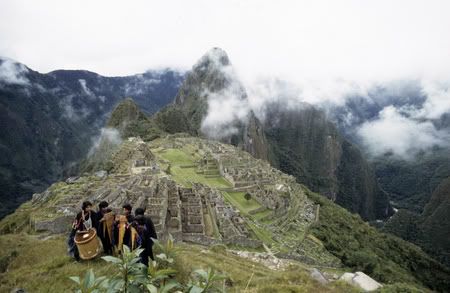 Out of the darkness, the Inca Empire began its Third Period. For centuries after, the Empire would experience previously unknown rates of growth and technological advancement. Intercontinental trade would finally begin, and the Inca would develop into a nascient global player, finally freed from their dark, wet, unknown and largely ignored cage on the hidden side of a distant continent. Now, they would be a part of the great struggles and triumphs of the whole, no more a distant soloist plucking silently in some unseen corner.


Comment